


A parked car can expose electronics to heat, cold, direct sunlight, and rapid temperature changes. That makes it a poor long-term storage place for a lithium-ion power bank, even when the device is switched off and disconnected.
This guide answers can you leave a power bank in a car with a practical travel and storage checklist. The safest default is to take the power bank with you, follow the product manual's temperature limits, protect the case and connectors, and inspect it before charging after an extreme-temperature event.

Quick answer: should you leave a power bank in a parked car?
Avoid leaving a power bank in a parked car for an extended period. A dashboard, center console, glove box, or closed trunk may become much hotter or colder than the outdoor air. Direct sunlight can add more heat, while loose objects can press against ports or damage built-in cables.
A short stop does not guarantee damage, and temperature alone does not mean a battery will fail. The practical point is risk reduction: a controlled indoor environment and a protective pouch are better storage choices than an unattended vehicle.
Why temperature and physical condition matter
Lithium-ion batteries store a large amount of energy in a compact enclosure. The U.S. Pipeline and Hazardous Materials Safety Administration explains that lithium batteries can overheat or ignite under conditions such as short circuit, physical damage, improper design, or assembly. Damaged, defective, and recalled batteries present greater risk than undamaged batteries.
Temperature also affects performance and charging control. The correct operating and storage limits come from the specific product manual, not a universal number copied from another battery. If you cannot confirm the permitted range, avoid both excessive heat and freezing conditions and contact the manufacturer before use.
Heat inside a vehicle is not the same as outdoor air temperature
Sunlight enters through vehicle glass and warms the dashboard, seats, and enclosed air. A dark electronic device placed near the windshield can absorb additional heat. Cracking a window does not create the same controlled conditions as indoor storage.
Do not leave the power bank:
- On the dashboard or rear parcel shelf
- In direct sunlight on a seat
- Next to a heater vent or other heat source
- Under heavy luggage that can crush the case or cables
- Loose beside coins, keys, tools, or other conductive objects
- Charging unattended inside a parked vehicle
Cold storage creates a different problem
Cold conditions can temporarily reduce available battery performance. Charging a lithium-ion battery when it is outside its permitted temperature range may also be restricted by the device's control system.
If a power bank has been left in a very cold vehicle, move it to a dry, moderate indoor environment and allow it to return gradually to an acceptable temperature before charging. Do not speed the process with a heater, hair dryer, oven, radiator, or hot water. Rapid warming can also create condensation around ports and electronics.
What to do after a power bank was left in a hot car
- Move it away from direct sun without squeezing, dropping, or bending it.
- Place it on a stable, nonflammable surface in a ventilated area.
- Do not connect a charger while the case still feels unusually hot.
- Let it cool naturally within the conditions allowed by the manual.
- Inspect the case, seams, ports, built-in cables, and display area.
- Stop using it if you see swelling, deformation, discoloration, corrosion, leakage, or damaged wires.
- Also stop if you notice unusual odor, hissing, smoke, or heat that returns while disconnected.
Do not puncture or open the enclosure to investigate. If the product appears damaged or recalled, follow the manufacturer and local hazardous-waste instructions. The U.S. Consumer Product Safety Commission repeatedly warns that recalled or defective power banks should not be placed in household trash or ordinary recycling streams.

A five-point inspection before charging
1. Check the enclosure
Compare both long sides and the end panels. The case should not appear swollen, separated, dented, or twisted. A power bank that rocks on a flat surface when it did not before deserves closer attention.
2. Check the ports
Look for debris, moisture, discoloration, or bent metal. Do not insert a tool into the port. Keep coins, keys, and loose adapters away from open connections.
3. Check built-in cables
Inspect where each braided cable enters the housing and where the connector meets the cable. Stop using a cable with exposed conductors, cracking, looseness, or a plug that has changed shape.
4. Check the display and controls
A screen that is blank does not prove the battery is empty or safe. If the display, button, or charging behavior differs from normal, disconnect the device and consult support.
5. Observe the first recharge
Use the approved charging setup in a ventilated area and remain nearby. Stop if the device repeatedly disconnects, becomes abnormally hot, smells unusual, or changes shape.
How to carry a power bank during a road trip
Keep the power bank in the passenger compartment while driving, protected from direct sun and secured so it cannot slide under a seat or pedal. A padded pouch can help prevent scratches and cable snagging, but it should not trap heat while the power bank is charging.
When you leave the car, take the power bank with you when practical. If you must make a brief stop, choose the coolest shaded location available, disconnect every device, and avoid the dashboard or other sun-exposed surface. This is a temporary compromise, not a recommended storage method.
Long-term storage at home
For storage measured in weeks or months, use a dry indoor location away from direct sunlight, heaters, moisture, and combustible clutter. Follow the manual's recommended state of charge and inspection interval rather than applying a generic percentage or calendar schedule.
Keep the model label accessible and check official recall information periodically. If the unit has been dropped, crushed, submerged, or exposed to unusual heat, treat that history as part of the inspection before the next use.
Built-in cables need their own storage plan
The RINECOPO PB02 25,000mAh power bank includes built-in braided USB-C cables. Integrated cables reduce loose-cable clutter, but they should rest in their intended position without sharp bends or heavy objects pressing on them.
Do not use the cable loop as a tie-down point in a vehicle. Secure the power bank by its pouch or compartment, not by pulling the cable against the housing.
When a power bank should be taken out of service
Stop using the product and follow manufacturer guidance when you find swelling, case separation, melted or discolored areas, exposed wire, corrosion, leakage, persistent unusual heat, smoke, odor, or a recall that includes the model. Do not test a visibly damaged battery by charging it again.
For disposal, contact the manufacturer or local household hazardous-waste program. Rules vary by location, and damaged lithium-ion batteries may require different handling from ordinary electronics.
Frequently asked questions
Can I keep a power bank in the glove box?
A glove box hides the device from direct sunlight but does not control vehicle temperature. It is not a good long-term storage location.
Is the trunk safer than the dashboard?
The trunk avoids direct windshield sun but can still experience extreme temperatures and luggage pressure. Take the power bank indoors when practical.
Can I charge a power bank while the car is parked?
Avoid unattended charging in a parked vehicle. Follow the power bank and vehicle instructions, keep the setup ventilated, and monitor temperature and cable condition.
Should I put a hot power bank in a refrigerator?
No. Rapid cooling and condensation can introduce additional problems. Disconnect it, move it to a safe ventilated area, and follow the manufacturer's instructions.
Is a power bank safe after one hot-car incident?
There is no universal answer without knowing the actual temperature, duration, battery condition, and manufacturer limits. Let it return to an approved temperature, inspect it carefully, and contact support if anything appears abnormal.
Final takeaway
Can you leave a power bank in a car? The practical answer is to avoid using a parked vehicle as storage. Carry the battery in a shaded protective pouch, keep it disconnected, follow its temperature limits, and inspect the enclosure and cables before the next charge.
Learn more about the RINECOPO PB02 and save the product page for current availability information.
Recent Posts
Blog Tags

RINECOPO 25000mAh Laptop Power Bank 170W,Build-In cables
- 25,000mAh High Capacity
- Up to 170W Total Output
- Dual Built-in 100W USB-C Cables
- Three 100W USB-C Ports
- Charge Up to Five Devices
- Smart HD Digital Display
Best for laptop charging, long flights, business travel, school, remote work, and multi-device users.
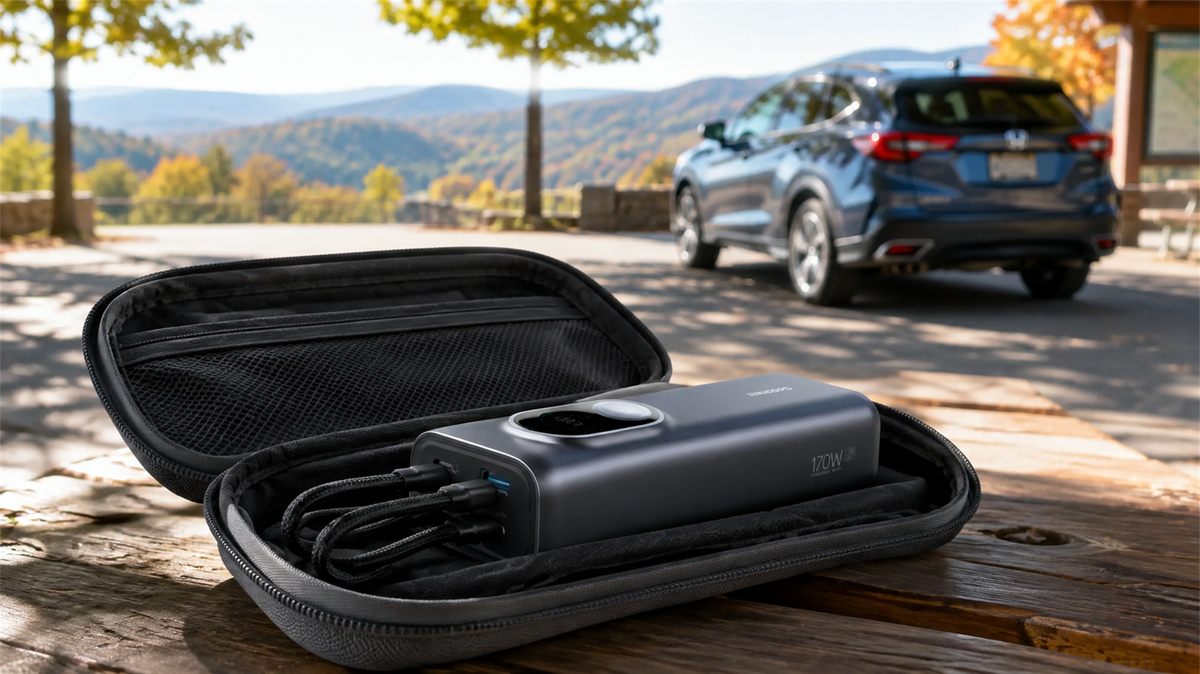
Can You Leave a Power Bank in a Car? Heat, Cold and Safe Storage
Learn why a parked car is a poor place to store a power bank and how to manage heat, cold, cables, inspections and safer road-trip storage.
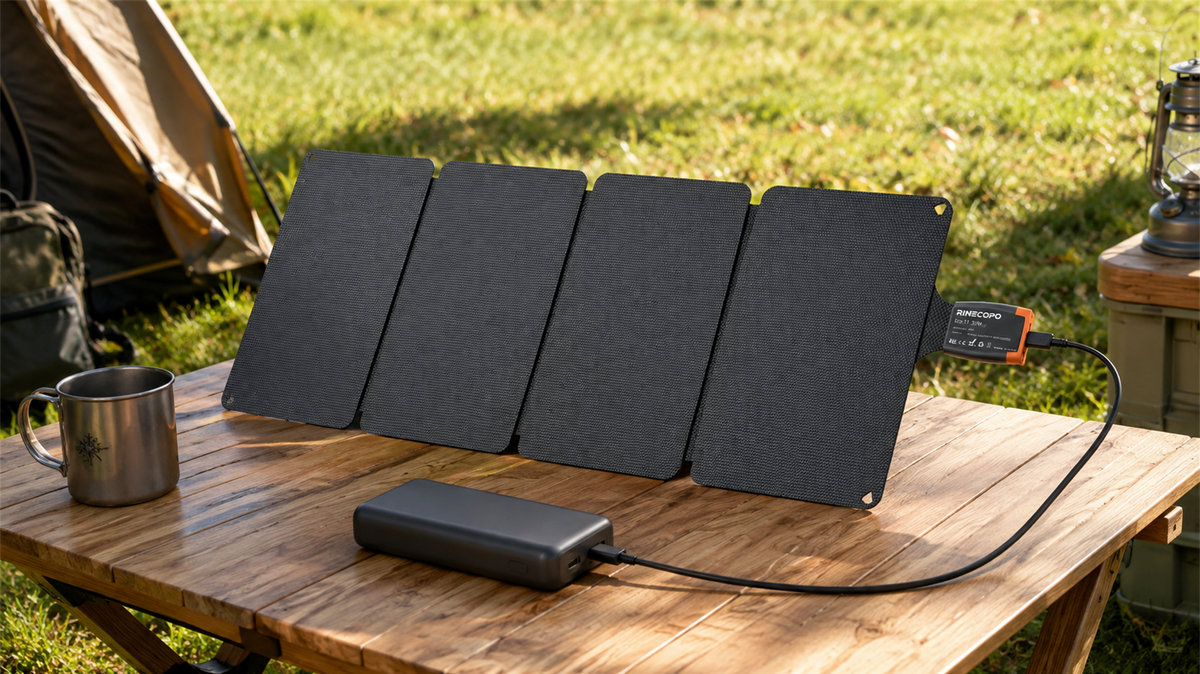
Can a 36W Solar Panel Charge a Power Bank? Compatibility, Cables and Time Estimates
Learn when a 36W solar panel can charge a power bank, how to verify USB-C compatibility, estimate time with watt-hours, and avoid unstable outdoor setups.
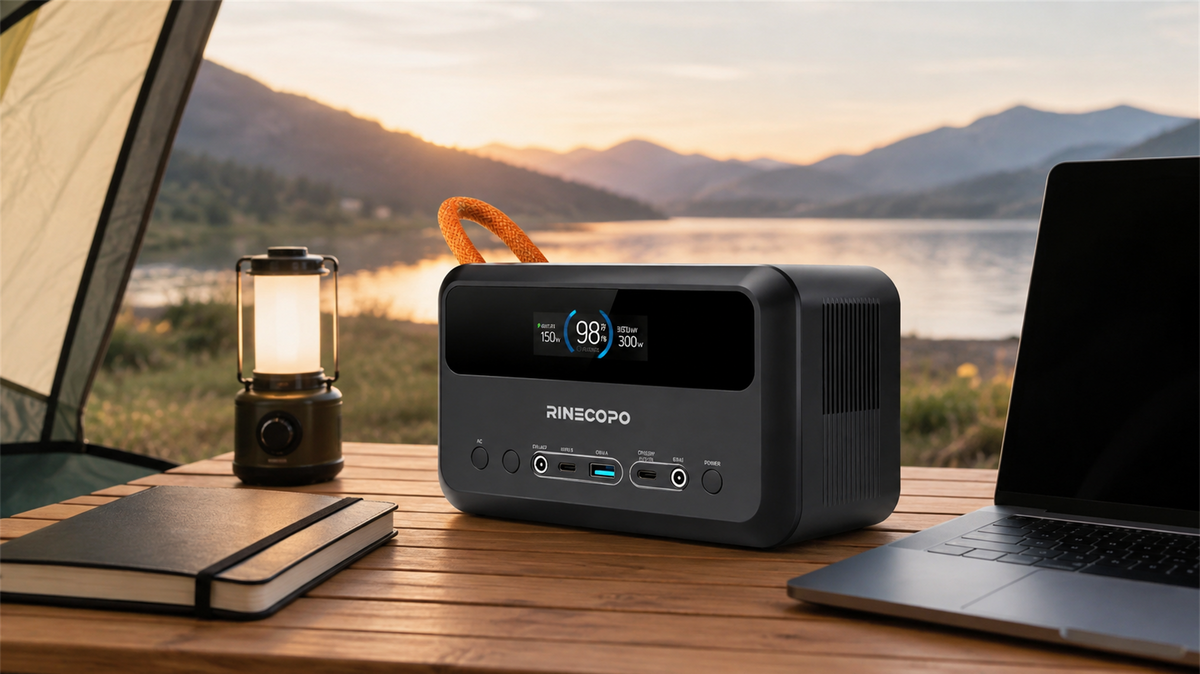
What Can a 192Wh Portable Power Station Run? A Practical Watt-Hour Planning Guide
Estimate how long a 192Wh portable power station may run different loads using a transparent watt-hour formula, realistic efficiency ranges, and practical solar planning guidance.